




 全部商品分类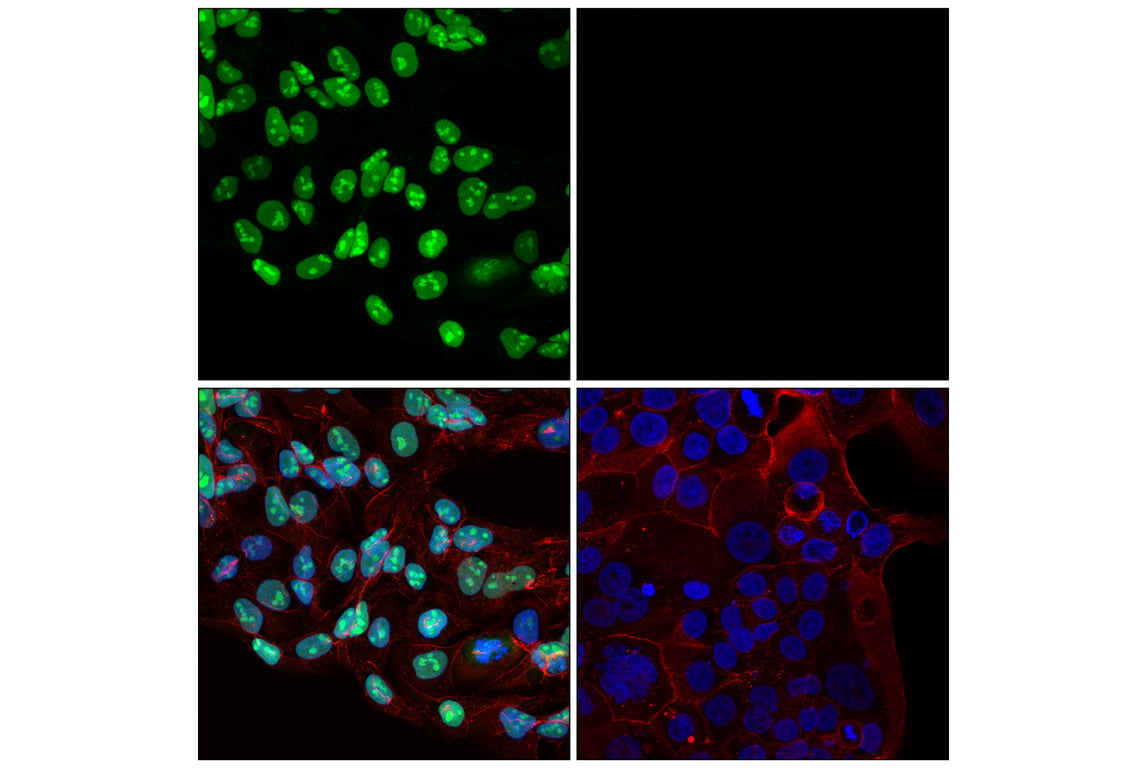
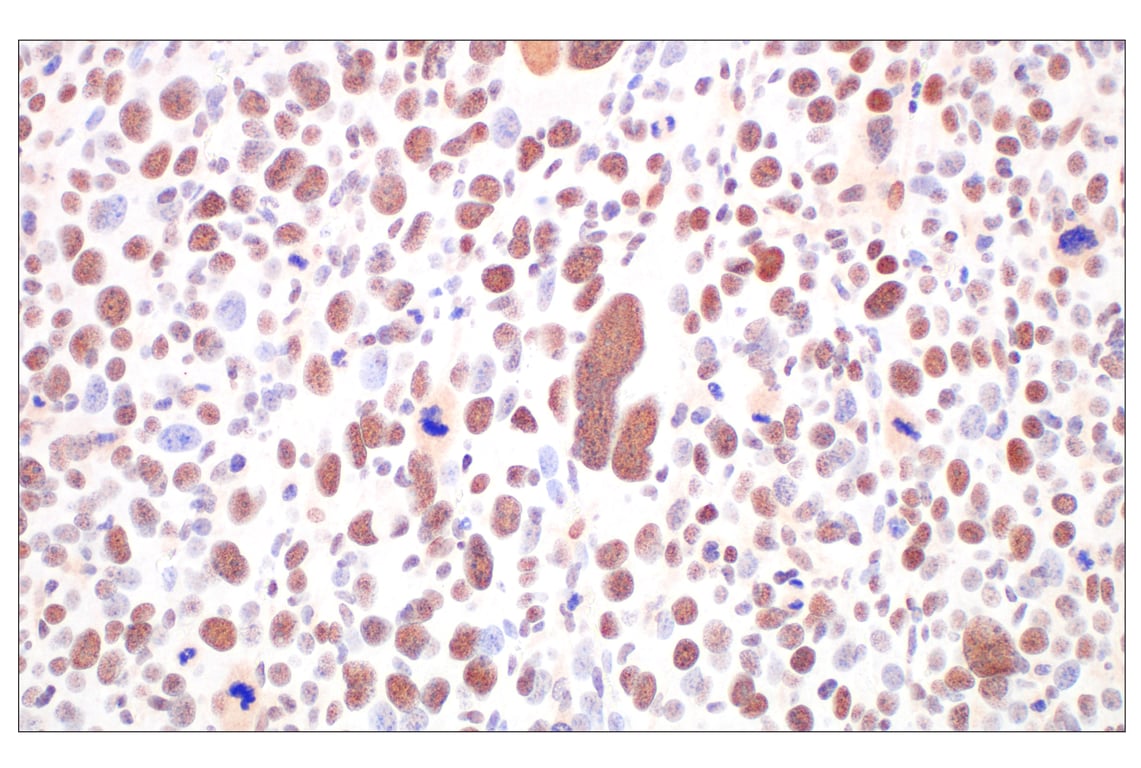
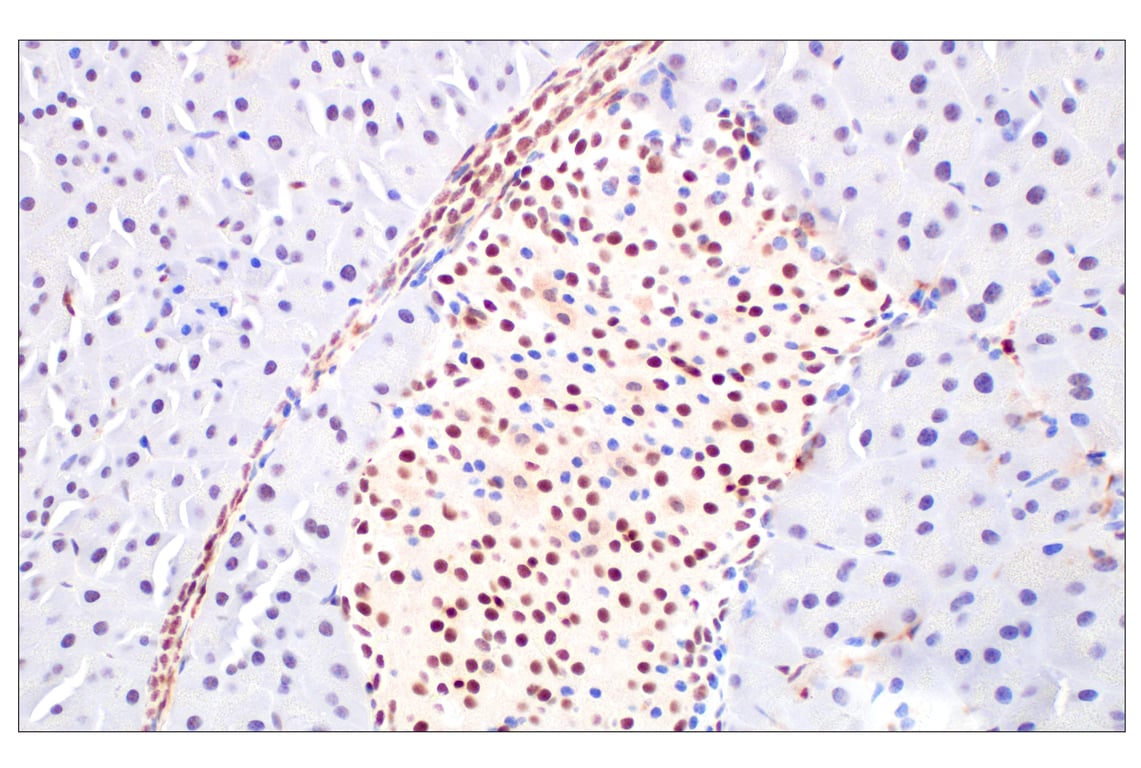
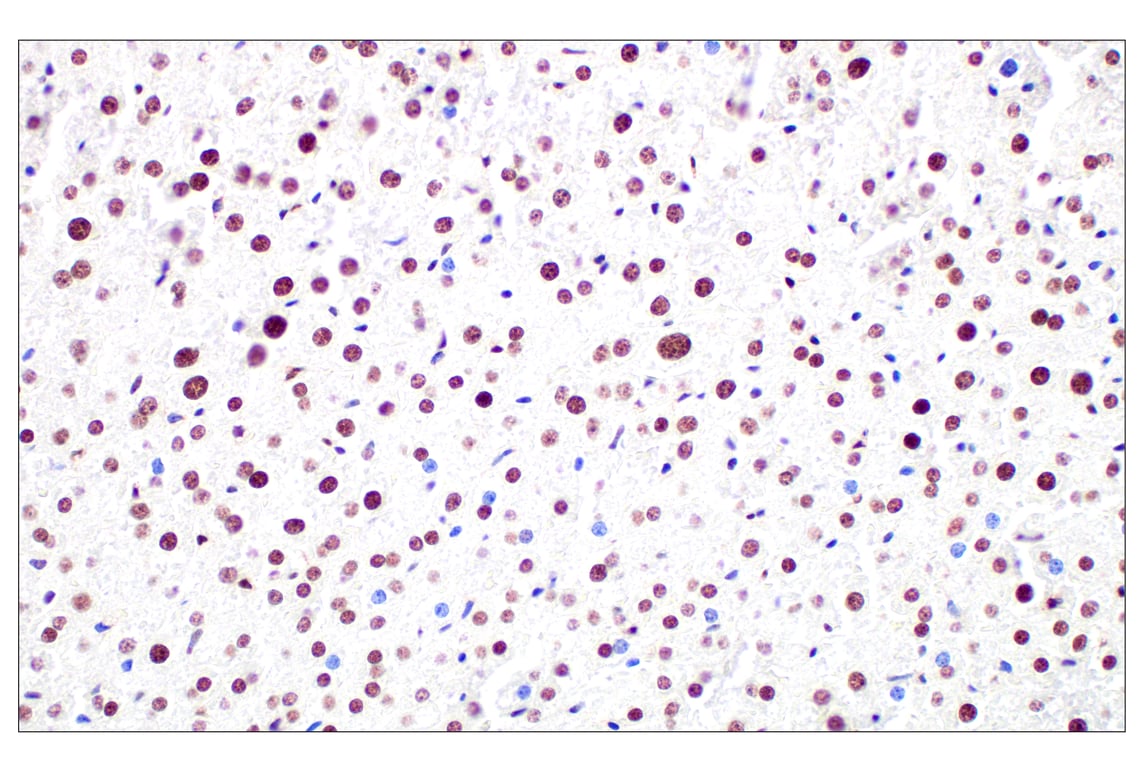
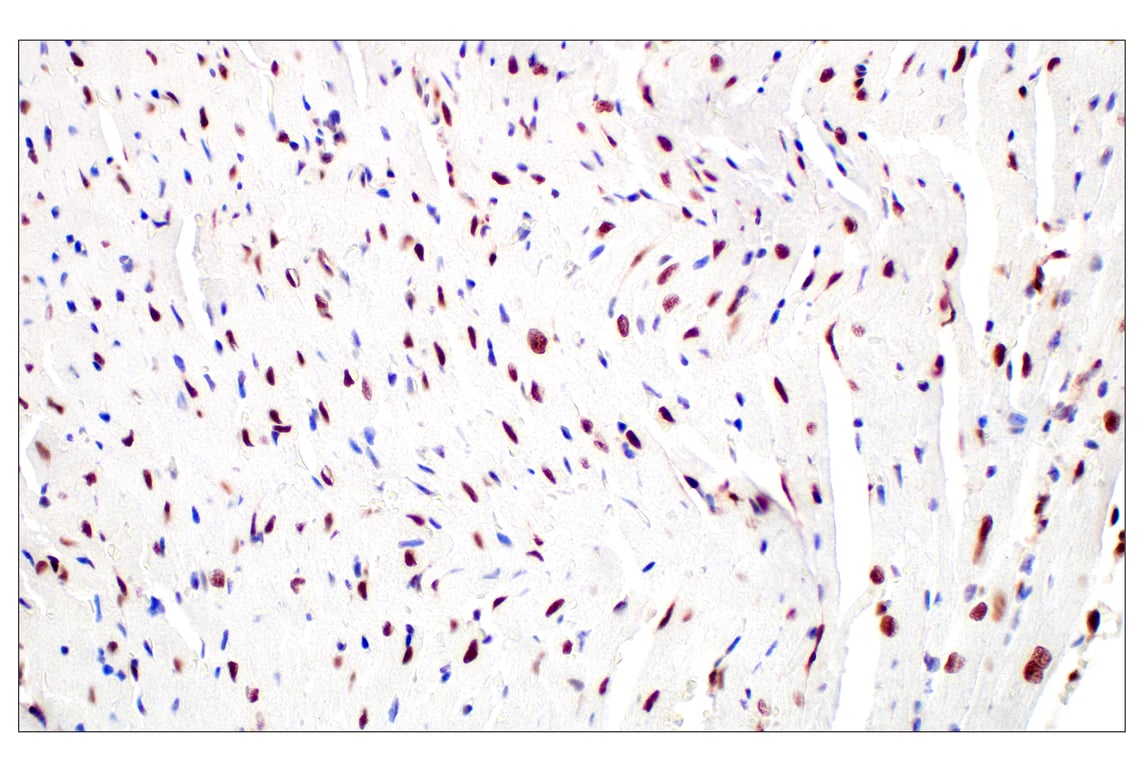


1/18


 用小程序,查商品更便捷





产品介绍
产品介绍
产品信息
荧光素标记
Unconjugated

来源纯化
Monoclonal antibody is produced by immunizing animals with a synthetic peptide corresponding to residues surrounding His24 of mouse basic FGF protein.
宿主
Rabbit
商品描述
Product Usage Information
| Application | Dilution |
|---|---|
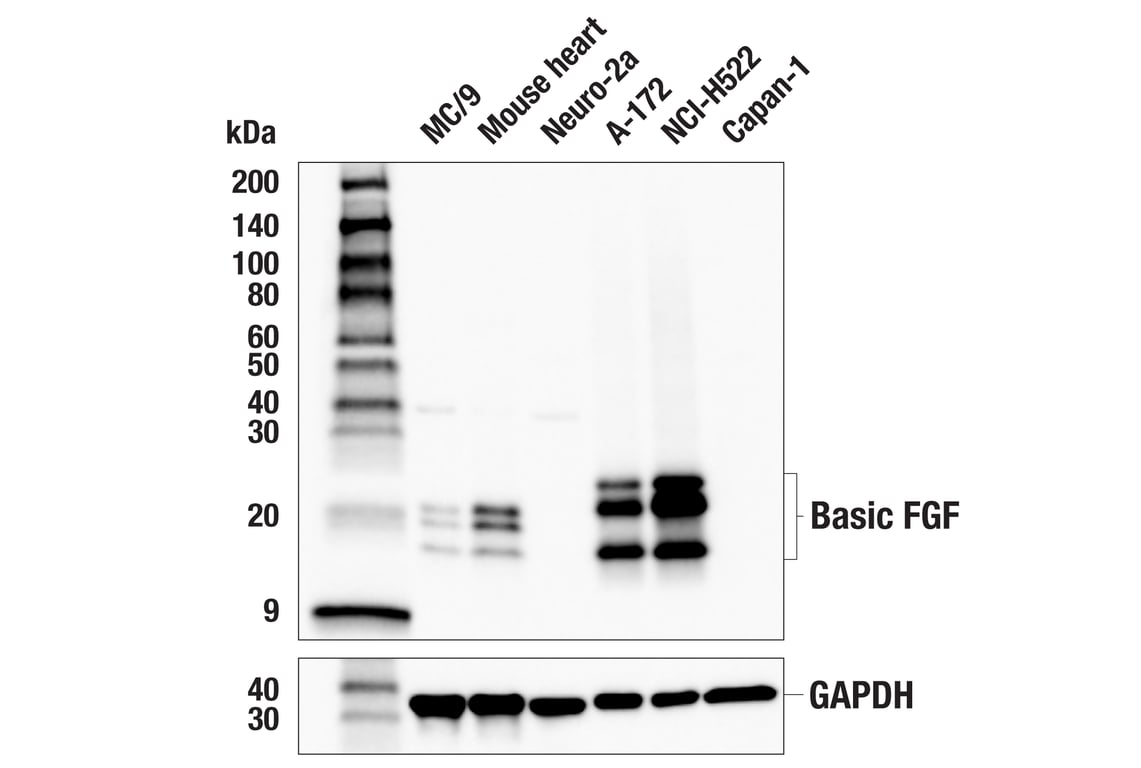
| Western Blotting | 1:1000 |
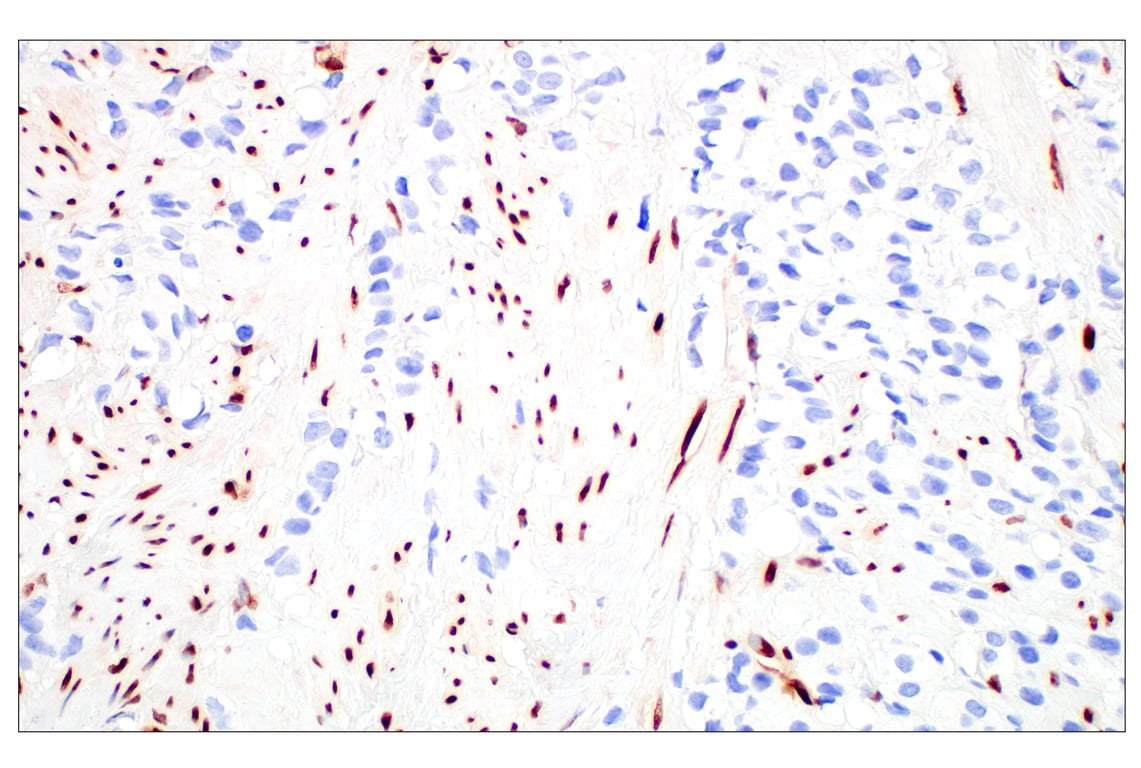
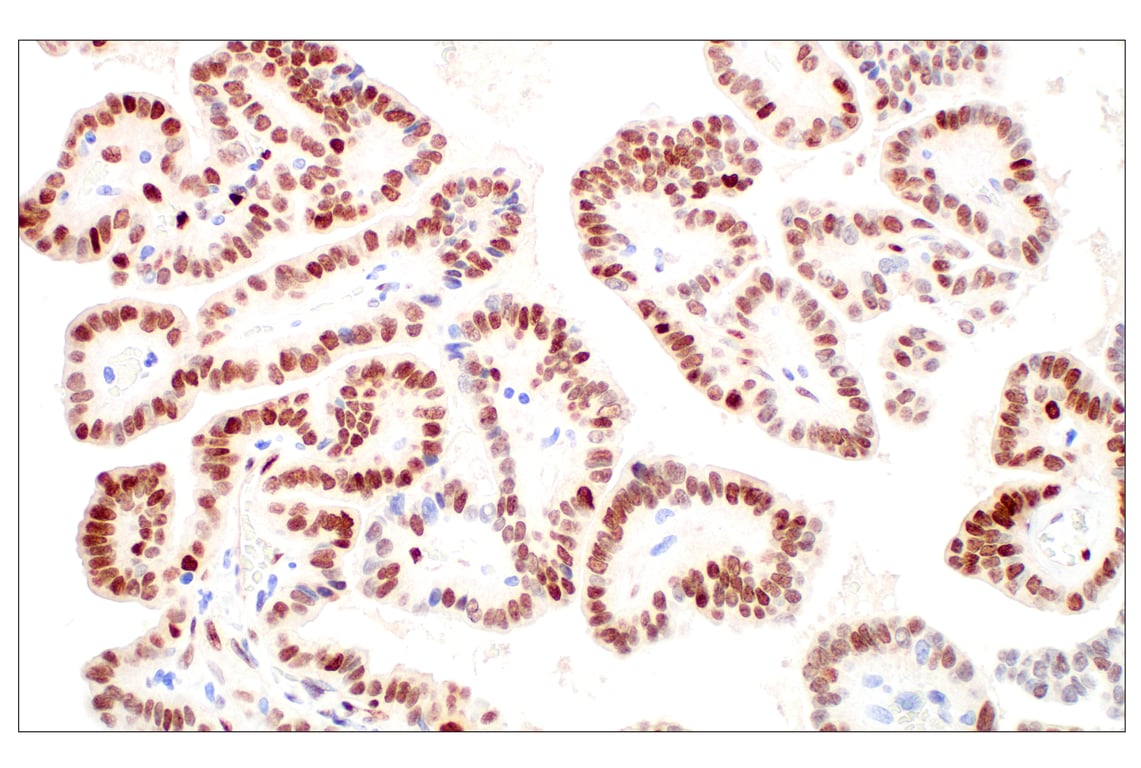
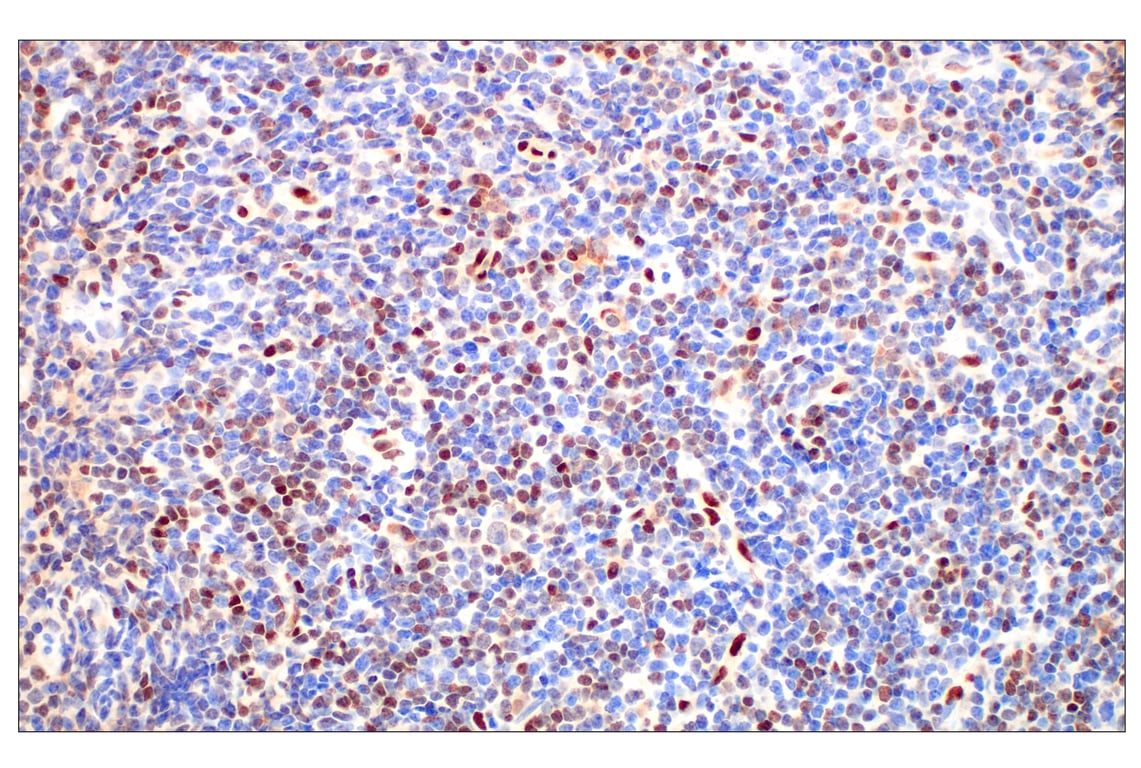
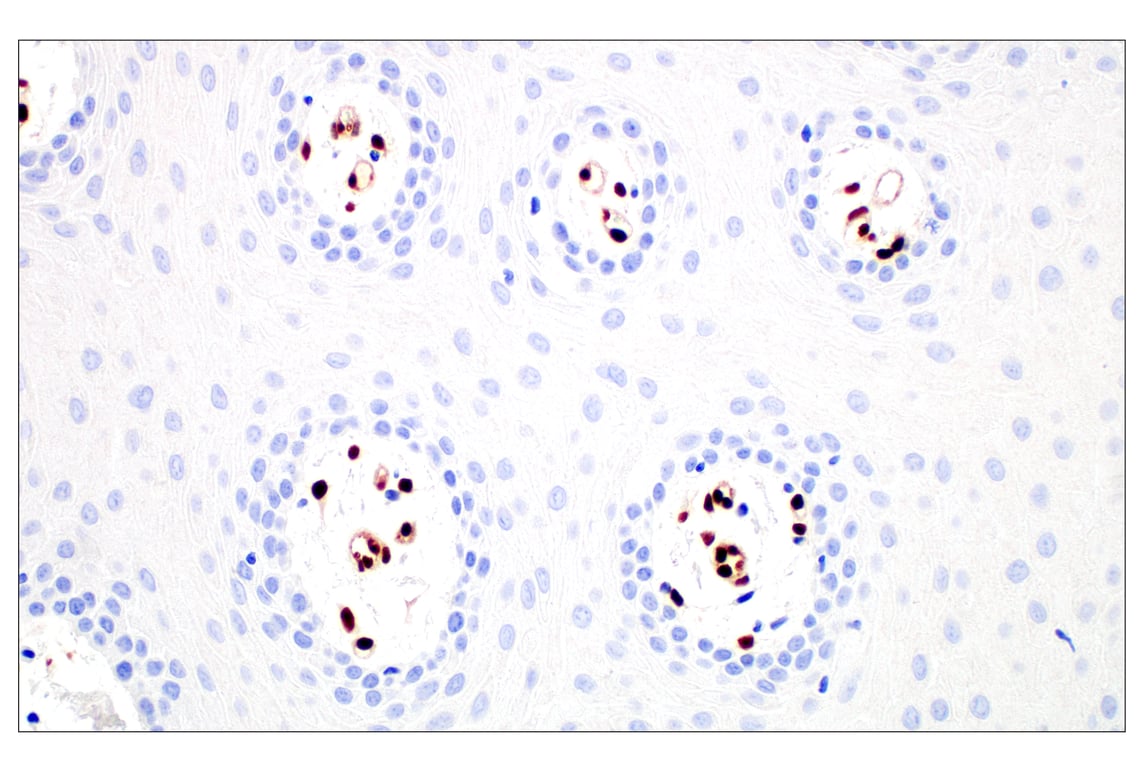
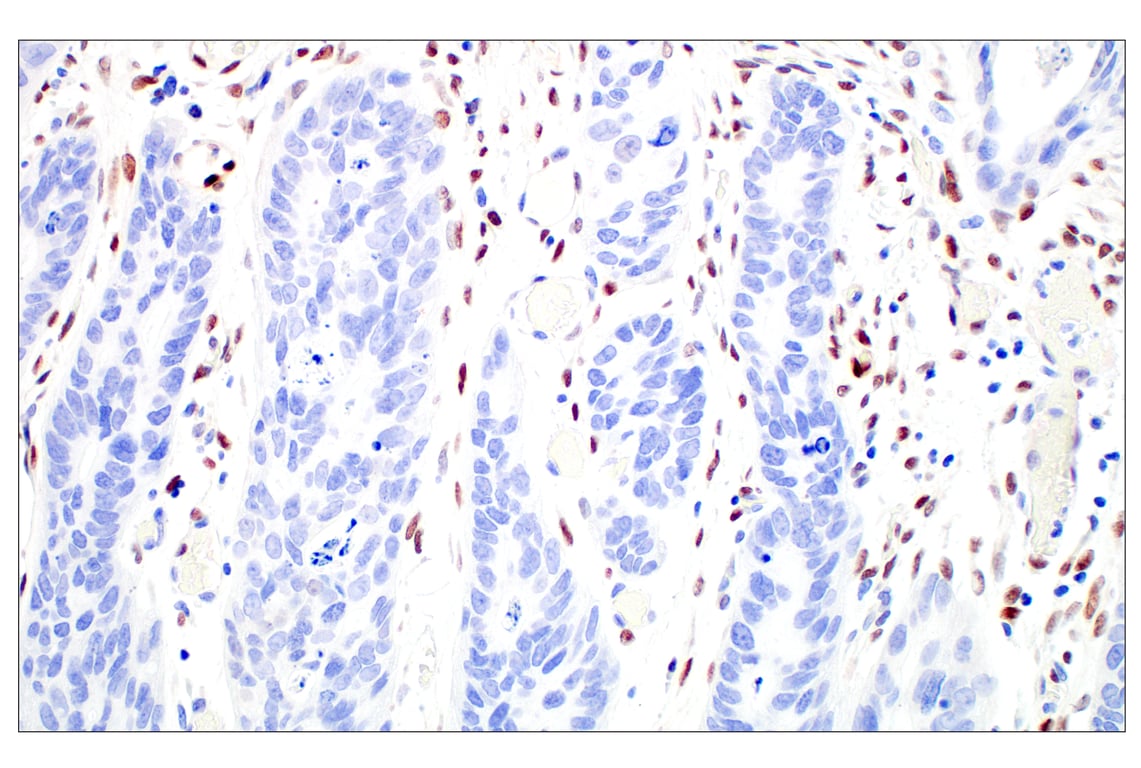
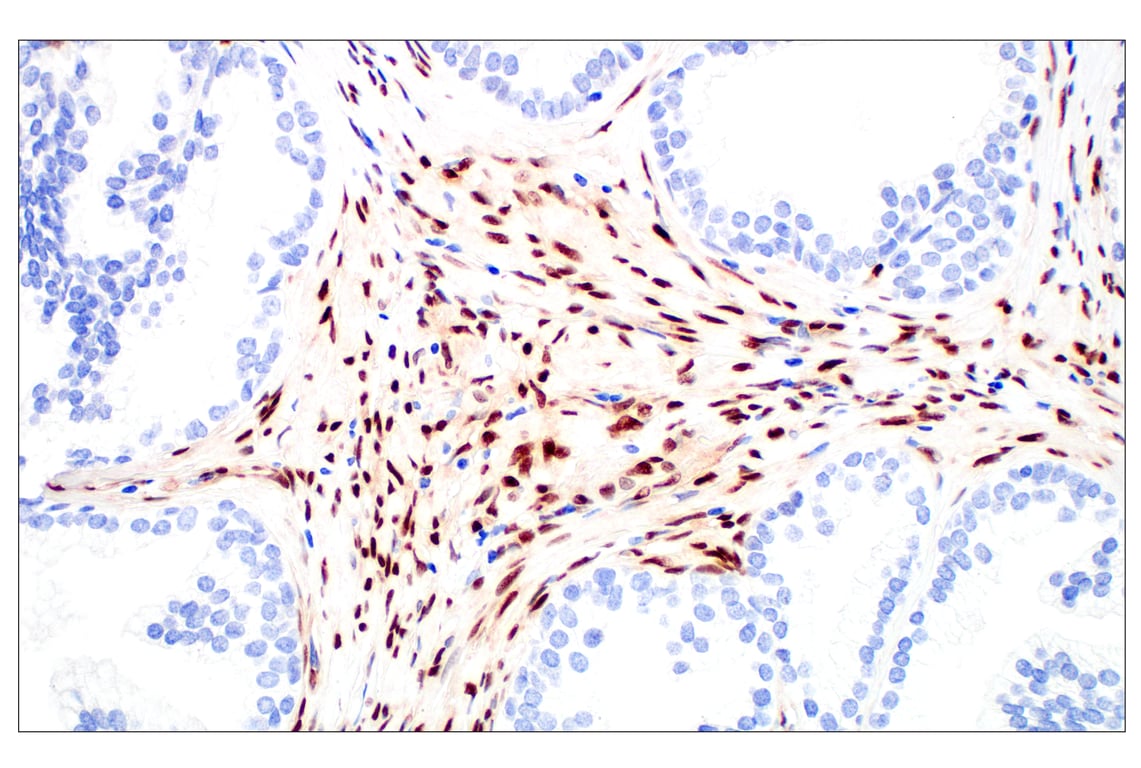
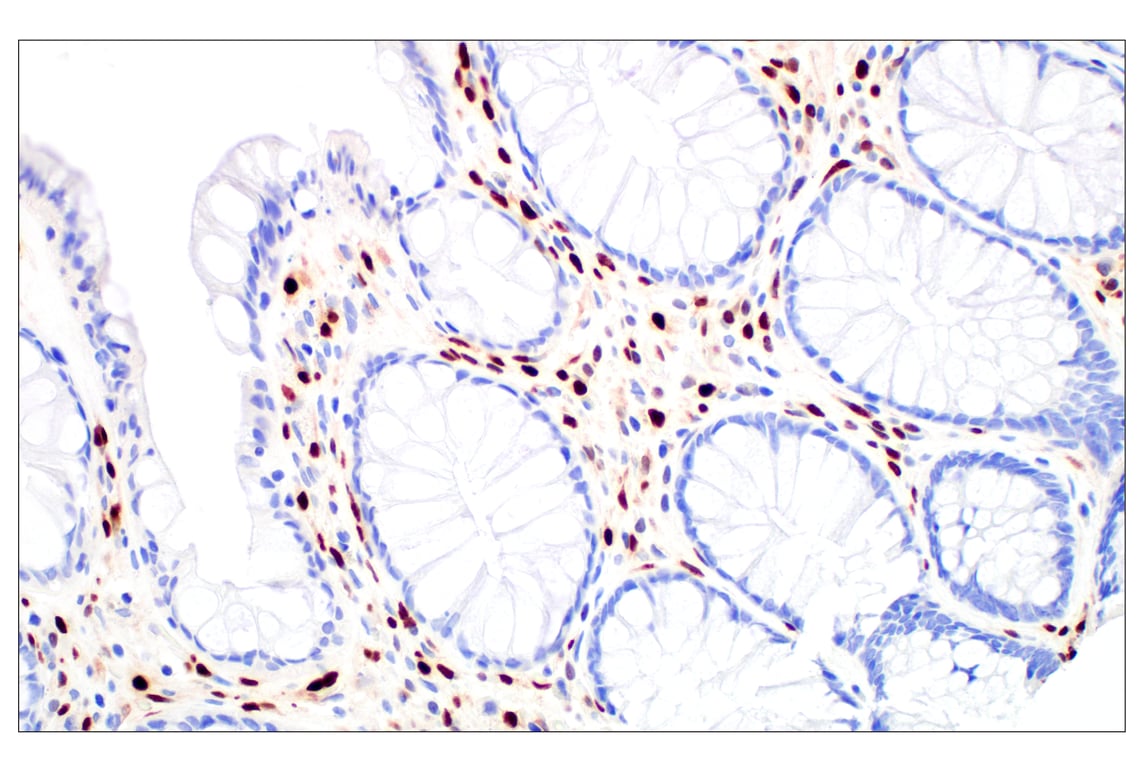
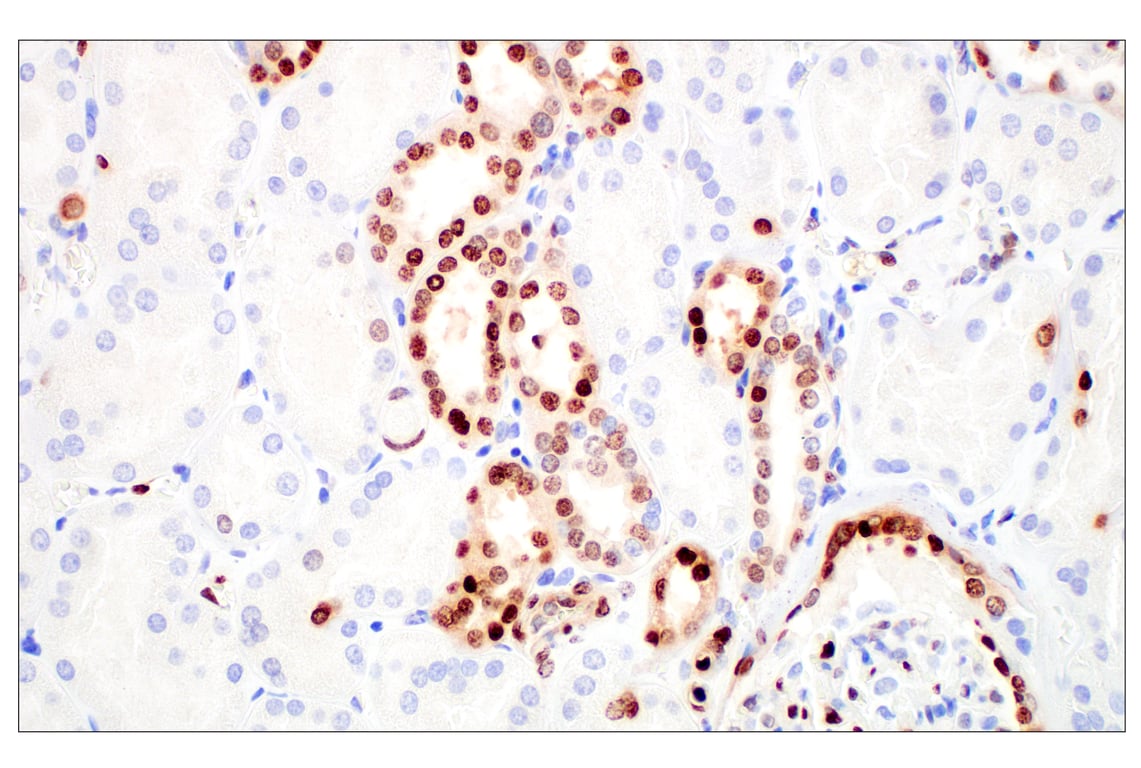
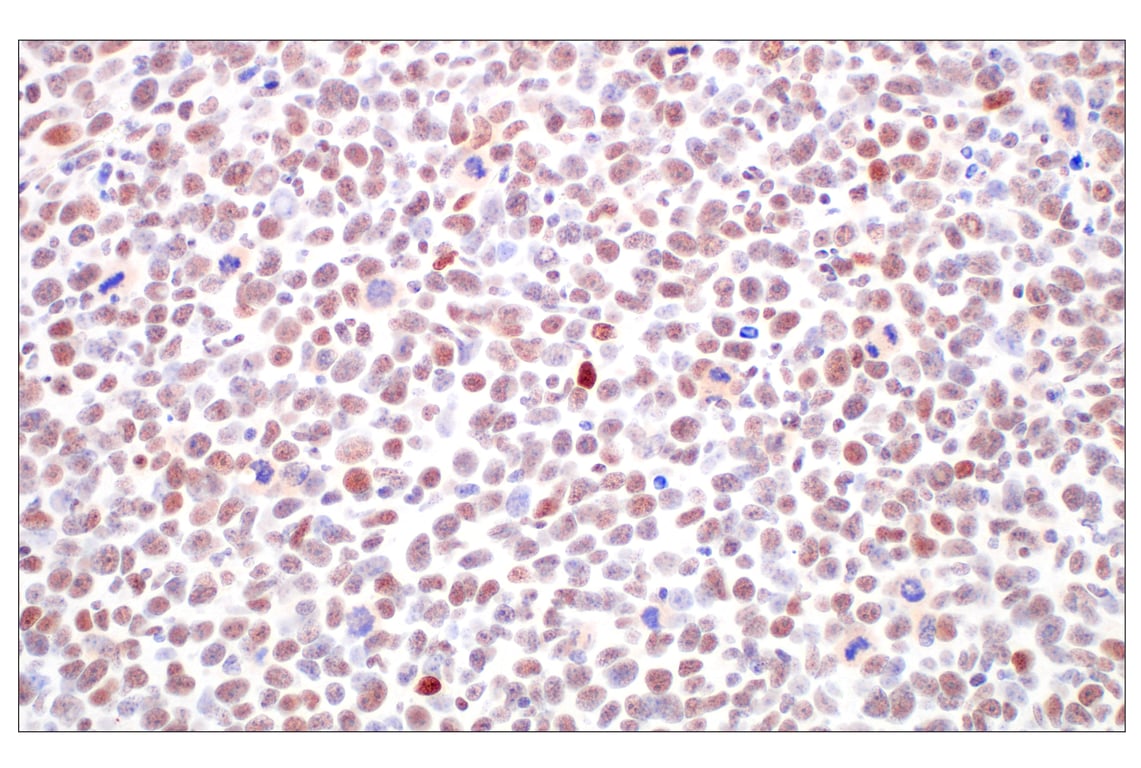
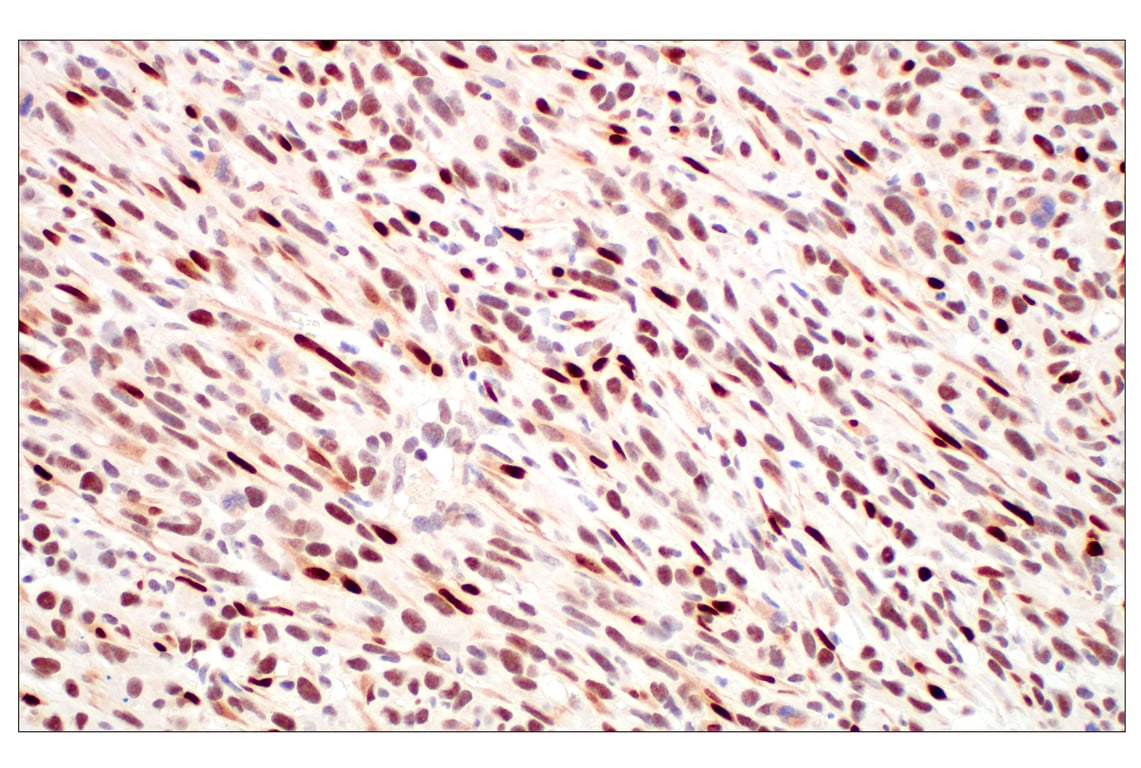
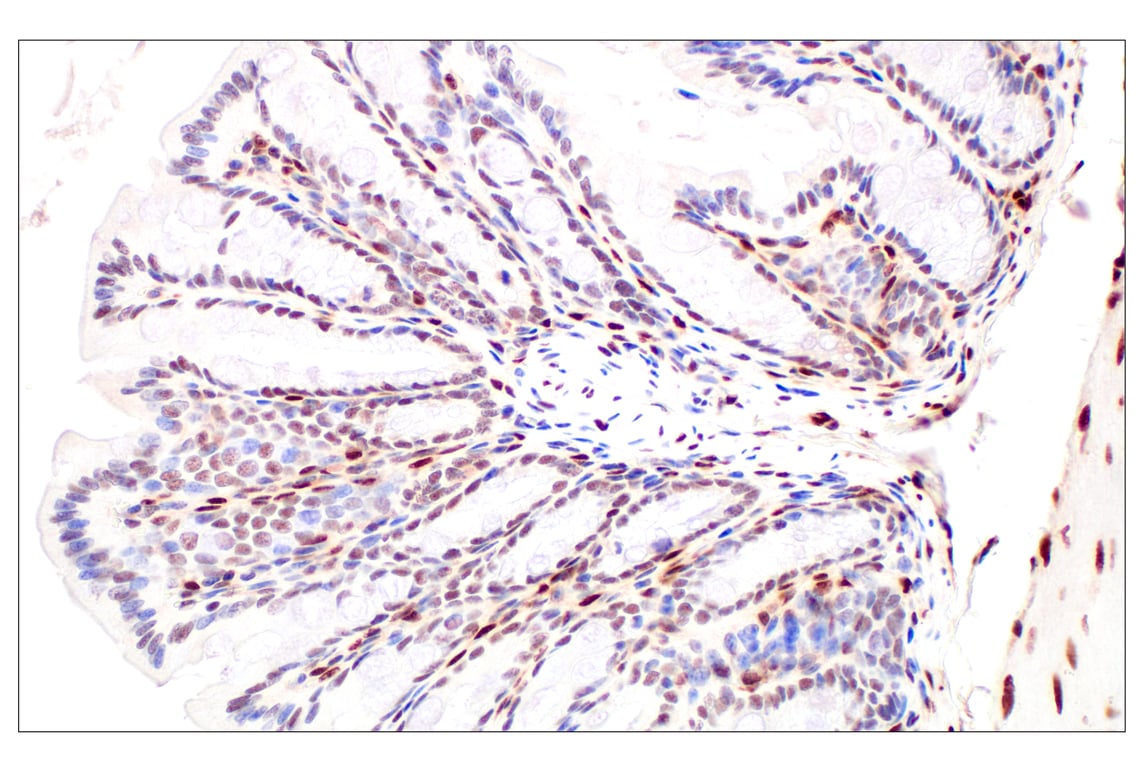
| Immunohistochemistry (Paraffin) | 1:125 - 1:500 |
| Immunofluorescence (Immunocytochemistry) | 1:200 - 1:800 |
同种型
Rabbit IgG
分子量
18, 20, 22, 24
应用
目标/特异性
Specificity/Sensitivity
Basic FGF (E5Y6M) Rabbit mAb recognizes endogenous levels of total basic FGF protein. Species cross-reactivity for IF is human only.
Species Reactivity:
Human, Mouse
敏感性
Endogenous
背景
背景
Fibroblast growth factors are a family of broad-spectrum growth factors influencing a plethora of cellular activities. The interaction of at least 23 ligands, four receptors, and multiple coreceptors provides a dramatic complexity to a signaling system capable of effecting a multitude of responses (1,2). Basic fibroblast growth factor (bFGF or FGF2), initially identified as a mitogen with prominent angiogenic properties, is now recognized as a multifunctional growth factor (3). It is clear that bFGF produces its biological effects in target cells by signaling through cell-surface FGF receptors. bFGF binds to all four FGF receptors. Ligand binding induces receptor dimerization and autophosphorylation, allowing binding and activation of cytoplasmic downstream target proteins, including FRS-2, PLC, and Crk (4,5). The FGF signaling pathway appears to play a significant role not only in normal cell growth regulation but also in tumor development and progression (6).Acidic FGF (aFGF or FGF1) is another extensively investigated protein of the FGF family. aFGF shares 55% DNA sequence homology with bFGF. These two growth factors are ubiquitously expressed and exhibit a wide spectrum of similar biological activities with quantitative differences likely due to variations in receptor affinity or binding (7).
1.Powers, C.J. et al. (2000) Endocrine-Related Cancer 7, 165-197.
2.Bansal, R. (2002) Dev. Neurosci. 24, 35-46.
3.Morrison, R.S. et al. (1994) J. Neurooncol. 18, 207-216.
4.Kouhara, H. et al. (1997) Cell 89, 693-702.
5.Mohammadi, M. et al. (1991) Mol. Cell. Biol. 11, 5068-5078.
6.Bikfalvi, A. (1995) Eur. J. Cancer 31A, 1101-1104.
7.Ledoux, D. et al. (1992) Prog. Growth Factor Res. 4, 107-120.
翻译后修饰
unmodified
制备和贮存
保存方式
Supplied in 10 mM sodium HEPES (pH 7.5), 150 mM NaCl, 100 µg/mL BSA, 50% glycerol, and less than 0.02% sodium azide. Store at –20°C. Do not aliquot the antibody.
For a carrier free (BSA and azide free) version of this product see product #83197.
数据库链接
Entrez-Gene ID
14173
UniProt ID
P15655
声明 :本官网所有报价均为常温或者蓝冰运输价格,如有产品需要干冰运输,需另外加收干冰运输费。